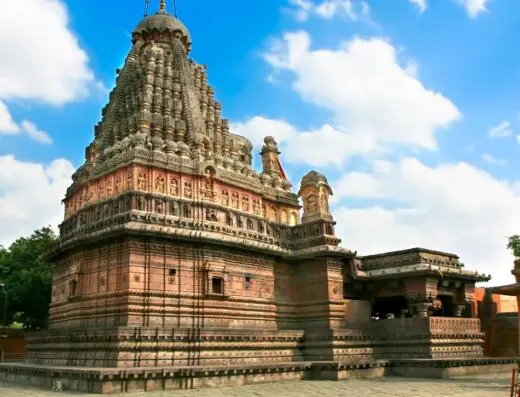
Grishneshwar Jyotirlinga, also known as Ghushmeshwar Jyotirlinga, is the twelfth and last Jyotirlinga of Lord Shiva. It is located near the world-famous Ellora Caves in Chhatrapati Sambhaji Nagar, Maharashtra. This temple holds immense religious significance for devotees and spiritual travellers alike. Today I am going to tell you about the story, history and how you can easily visit Ghushmeshwar mandir.
Grishneshwar Jyotirlinga Story
The story of Grishneshwar Jyotirlinga revolves around a devoted woman named Ghushma, also known as Kusuma. She worshiped a Shiva Linga daily by immersing it in a pond. Her unwavering faith made her sister-in-law angry and jealous. So, she murdered Ghushma’s and threw his body into the same pond where Ghushma used to immerse Shiva Linga. Despite this immense grief, Ghushma continued her worship. Pleased by her faith, Lord Shiva appeared and revived her son. She requested Lord Shiva to stay, so he manifested himself as a Jyotirlinga here at this spot. The name Ghusmeshwar (or Grushneshwar Jyotirlinga) is believed to be taken from Ghushma’s name only.
How to Reach Grishneshwar?
Ghrishneshwar Temple is very well-connected and easy to reach from Chhatrapati Sambhaji Nagar, which is around 30 km. The city is well-connected via road, train and flight. Regular bus and taxis are easily available from Sambhaji Nagar to Ghushmeshwar temple. The cheapest way to travel is to reach Sambhaji Nagar by train. From there, board a bus and take a full-day bus pass at just ₹ 100 per person. There are also good staying options near the temple, where you can stay or get fresh if you are going early morning direct from a flight or train.

When to Visit Grishneshwar?
The best time to visit Grishneshwar Jyotirlinga is between October and March, when the weather is pleasant. During auspicious days like Kartik Purnima, Shravan month, Mahashivratri and other days, you will find huge crowds. Best is to visit as early in the morning as possible to avoid crowds. Temples mostly open at 5:00 in the morning and close by 6:00 in the evening. Only on auspicious occasions and festivals does the temple remain open from 3:00 am or sometimes from midnight to next midnight.
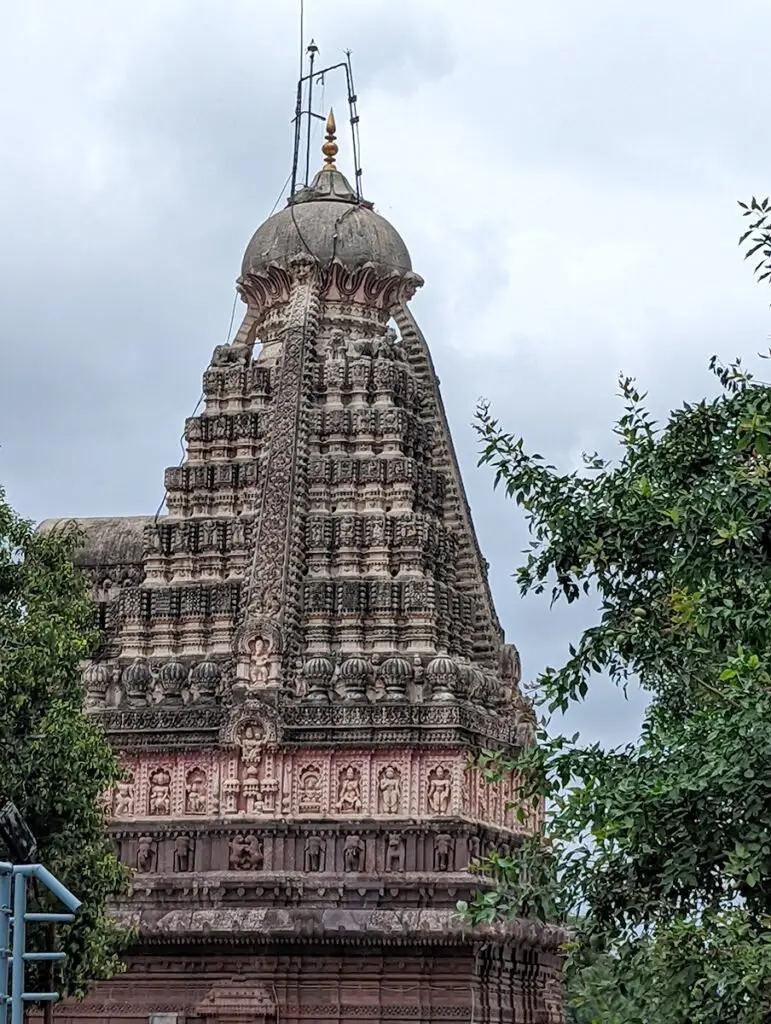
The temple has been destroyed lots of times. The present temple was constructed in the 18th century by Rani (Queen) Ahilya Bai. It is constructed in Red Basalt Stone; the temple reflects traditional South Indian temple architecture with intricate carvings of gods and goddesses. Ellora Caves (Velur) is just 1.5km from the temple. Most devotees also go to Ellora Caves after visiting the Shri Grishneshwar Jyotirlinga temple. There are many other temples and places to explore which we will see in our other blogs.
Until next time, keep traveling and take care of nature.
Travel the world like me by volunteering, check out this video. Join World-packers today, use my code “SHRUTI” to get additional discount of $10 and travel the world for free. You can use this link to get discount.
Bye, Bye!!!